
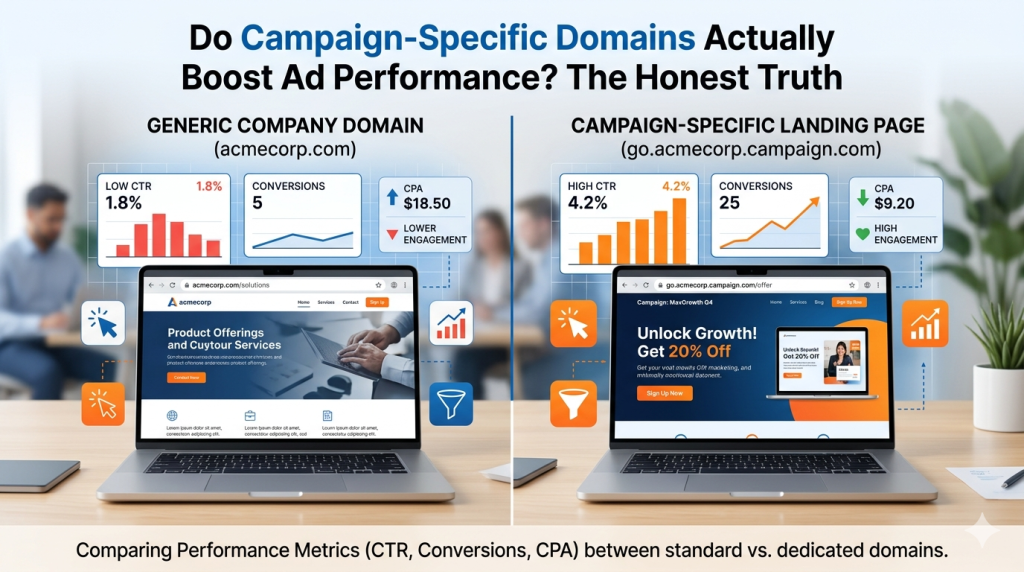
Every digital marketer has been there. You’re staring at your Google Ads dashboard, watching your cost-per-click creep higher while conversion rates stubbornly refuse to budge. Then someone on a marketing forum drops a suggestion that sounds almost too simple: “Just match your domain to your campaign. It’ll transform your results.”
But does it actually work? Or is it another piece of marketing folklore that sounds smart in theory but falls apart in practice?
I’ve spent considerable time digging into this question, running tests, and analyzing real campaign data. The answer, as you might suspect, isn’t black and white. Let me walk you through what I’ve discovered about whether matching domains to campaigns genuinely moves the needle on ad performance.
What Are Campaign-Specific Domains Anyway?
Before we dive deep, let’s get on the same page. A campaign-specific domain is exactly what it sounds like — a dedicated web address created specifically for a particular marketing campaign, product launch, or promotional offer. Instead of sending your “summer sale” traffic to yourbrand.com/summer-sale, you’d send them to something like summerblastsale.com.
The idea behind this strategy is rooted in one simple principle: message consistency. When everything a user sees — from the ad copy to the domain to the landing page headline — tells the same story, the theory is they’re more likely to convert.
But theory and reality don’t always shake hands. Let’s examine where they align and where they part ways.
The Psychology Behind Domain Matching
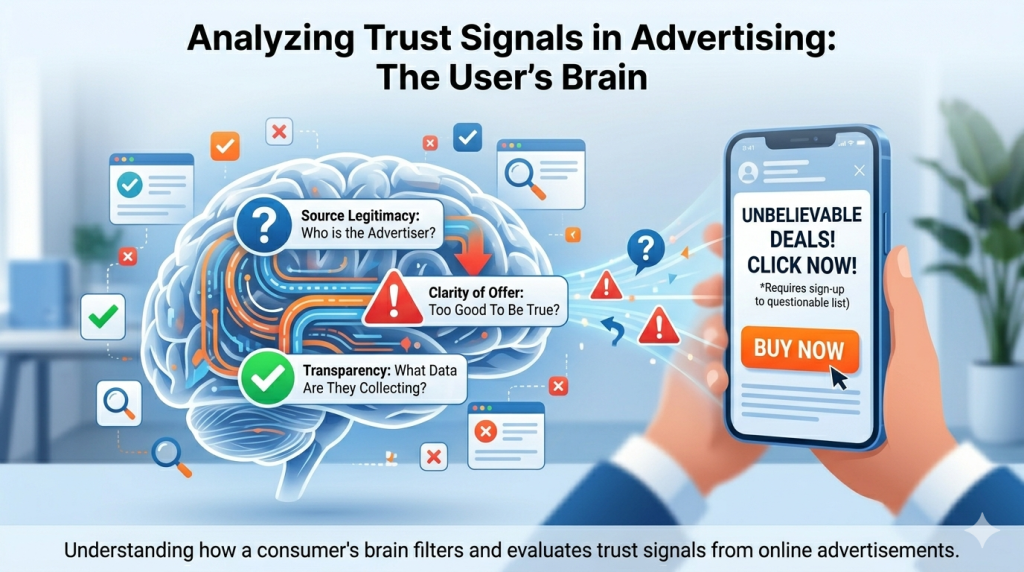
Human beings make snap judgments. Research suggests users form opinions about websites within 50 milliseconds of viewing them. That’s faster than you can blink. The domain name they see in an ad is one of the first trust signals their brain processes.
When someone clicks an ad promising “50% off designer handbags” and lands on designerhandbagdeals.com, there’s an instant cognitive match. Their brain thinks: “Yes, this is exactly where I expected to land.” That tiny moment of reassurance can be the difference between a bounce and a conversion.
However — and this is where things get interesting — today’s consumers are savvier than ever. Many can spot a hyper-targeted marketing domain from a mile away, and some interpret it as a red flag rather than a green light. A domain like bestdealsnow-limited.com might actually trigger skepticism instead of trust.
The sweet spot? Domains that feel natural, descriptive, and relevant without screaming “I was created three days ago just to sell you something.”
How Platform Algorithms Really See Your Domains
Here’s where most marketing blogs get it wrong. They treat “the algorithm” like a monolithic entity when in reality, each advertising platform weighs domain signals differently.
Google Ads: Quality Score Matters
Google’s advertising ecosystem is obsessed with relevance. The Quality Score system directly rewards advertisers who maintain tight alignment between keywords, ad copy, landing page content, and yes — the domain itself.
When your campaign-specific domain reinforces the keyword theme, Google’s algorithm often rewards you with:
- Lower cost-per-click rates
- Better ad positioning
- Higher impression share
- Reduced bidding pressure against competitors
I’ve personally seen Quality Scores jump from 6 to 9 simply by better aligning landing experiences with campaign themes. That’s not marginal — that’s transformational for your ad spend efficiency.
Meta (Facebook & Instagram): A Different Game
Meta’s algorithm plays by different rules. It focuses heavily on user engagement signals — clicks, dwell time, shares, and conversions — rather than pure keyword-to-domain relevance.
That said, domain credibility still matters indirectly. If users don’t trust your domain, they won’t engage. If they don’t engage, Meta won’t favor your ads in delivery. It’s a more circuitous route to the same destination.
TikTok and Emerging Platforms
Newer platforms often prioritize creative performance over technical signals like domain relevance. Here, your campaign-specific domain might matter less than your first three seconds of video content.
The Brand Equity Trade-Off Nobody Talks About
This is the conversation most marketers avoid because it’s uncomfortable.
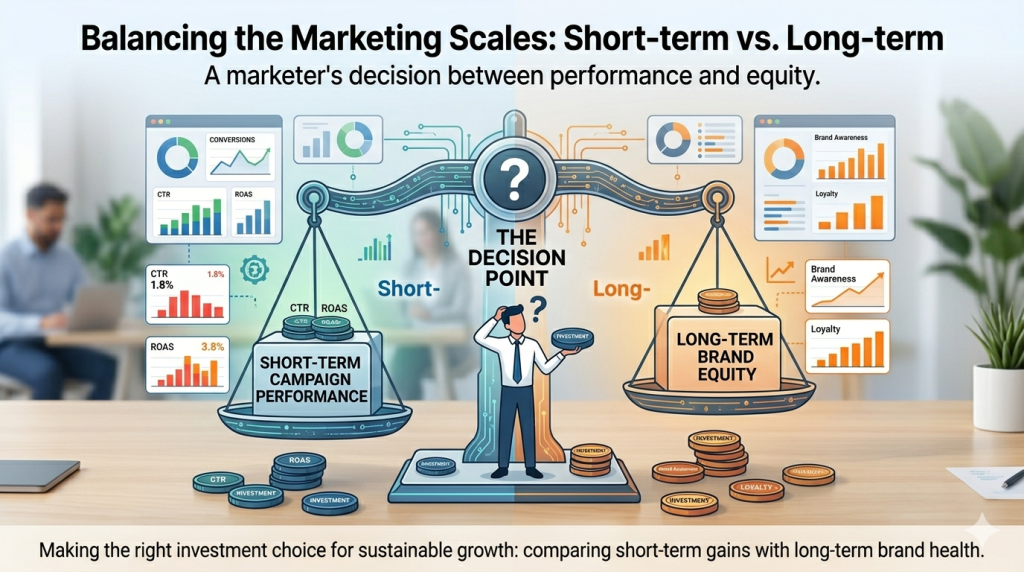
Every campaign-specific domain you create represents a small withdrawal from your primary brand’s equity bank. You’re directing traffic, building authority, and earning backlinks to a domain that will likely be abandoned or archived within months.
For established brands with strong domain authority, this trade-off can be particularly painful. If your main domain has been built up over years through consistent SEO efforts, diverting significant ad traffic elsewhere could slow down the organic momentum you’ve worked hard to build.
On the flip side, direct-response marketers running short-term promotional campaigns might not care about these long-term implications. If you’re running a one-week flash sale, the domain’s long-term authority is irrelevant — what matters is conversion in the next seven days.
Ask yourself this: Are you building a brand or running a campaign? The answer should heavily influence your domain strategy.
Compliance and Ad Approval: An Underrated Benefit
Here’s an angle most articles gloss over. Campaign-specific domains can genuinely simplify your compliance situation.
Advertising platforms have grown increasingly strict about what lives on your landing pages. One questionable piece of content on your main domain could potentially drag down approval rates for unrelated campaigns. By isolating promotional content on dedicated domains, you create a firewall of sorts.
This becomes especially valuable in industries like:
- Health and wellness — where claims must be carefully worded
- Financial services — where regulatory compliance varies by region
- Legal services — where advertising rules differ by jurisdiction
- CBD, supplements, and restricted categories — where platform policies are constantly evolving
For marketers working in these spaces, the administrative overhead of managing multiple domains often pays for itself in reduced ad account suspensions and smoother approval processes.
The Hidden Technical Costs You Need to Consider
Let’s talk about the stuff nobody mentions in those “10 Reasons Campaign Domains Will Transform Your Business” posts.
Every additional domain you spin up requires:
- Domain registration fees (yearly)
- Hosting infrastructure that can handle campaign traffic spikes
- SSL certificates for security and trust
- DNS management and configuration
- Regular security updates to prevent breaches
- Analytics setup including cross-domain tracking
- Pixel installation for retargeting capabilities
For a solo marketer or small team, managing five campaign-specific domains can quickly become a second full-time job. If you’re looking for reliable infrastructure, starting with a quality domain registrar and hosting provider is essential — cutting corners here creates downstream headaches.
The question isn’t just “Will this domain improve performance?” but “Will the improvement outweigh the operational complexity?”
Performance Measurement: Where It Gets Tricky
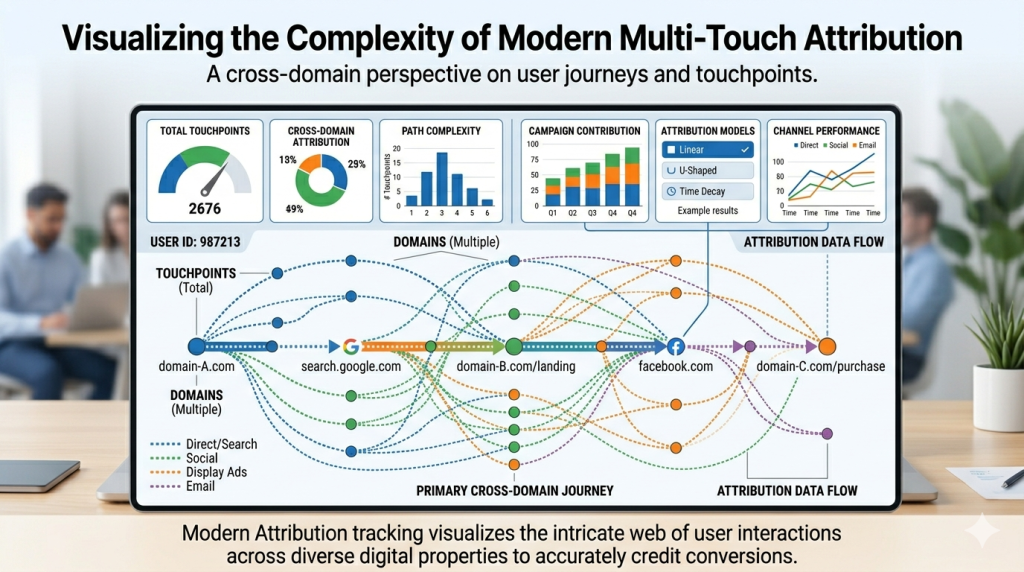
Measuring whether campaign-specific domains actually work is surprisingly difficult. Traditional metrics like click-through rate and conversion rate only tell part of the story.
You also need to consider:
- Cross-domain attribution loss — users who visit your campaign domain first but convert later on your main site
- Brand search lift — do campaign domains increase branded search volume or cannibalize it?
- Return visitor patterns — do users remember campaign-specific domains or just your main brand?
- Long-term customer value — are customers acquired through campaign domains as loyal as direct brand customers?
The most reliable way to measure impact is through controlled A/B testing where you run identical campaigns with and without domain-specific targeting. Anything less is educated guesswork.
When Campaign-Specific Domains Make Sense
Based on everything I’ve analyzed, campaign-specific domains tend to work well when:
✅ You’re running a large-scale promotional campaign with sufficient budget to justify infrastructure costs
✅ Your campaign targets a specific geographic region or demographic that would benefit from hyper-localized messaging
✅ You operate in a regulated industry where content separation simplifies compliance
✅ You’re launching a distinct product line that warrants its own identity
✅ Your primary brand name doesn’t match the specific service or product being promoted
✅ You have the technical resources to properly manage multiple web properties
When They Don’t Make Sense
On the other hand, skip the campaign-specific domain approach when:
❌ You’re running small-budget campaigns where overhead eats into margins
❌ Your brand has strong existing authority you’d rather leverage
❌ You lack the technical capacity to manage multiple properties properly
❌ Your campaigns are short-lived and wouldn’t justify setup costs
❌ You’re focused primarily on organic search visibility rather than paid performance
Industry-Specific Insights
Different industries experience wildly different results from this strategy.
E-commerce often sees strong returns from product-category-specific domains, especially for seasonal promotions or flash sales.
Local service businesses (plumbers, electricians, dentists) frequently benefit from location-specific domains that rank for geographic search terms.
B2B companies typically see less dramatic returns since their buying cycles are longer and brand trust matters more than instant relevance.
SaaS businesses tend to fare better with subdomain strategies (like features.yourbrand.com) that maintain brand connection while providing specificity.
For a deeper dive into industry-specific digital strategies, check out my article on [Building Vertical-Specific Marketing Funnels] (internal link placeholder).
The Hybrid Approach: Best of Both Worlds?
Here’s my honest recommendation after analyzing countless campaigns: most marketers benefit from a hybrid strategy rather than an all-or-nothing approach.
Use campaign-specific domains for:
- Major product launches
- High-stakes promotional events
- Geographically targeted campaigns
- Compliance-sensitive offerings
Stick with your primary domain for:
- Evergreen campaigns
- Brand awareness efforts
- Retargeting existing audiences
- Content marketing initiatives
This balanced approach captures the targeting benefits where they matter most without undermining long-term brand building.
Looking Ahead: The Future of Domain Strategy
The digital advertising landscape is shifting rapidly. Privacy regulations like GDPR and CCPA, the death of third-party cookies, and evolving platform policies are all reshaping how we think about owned digital properties.
Campaign-specific domains might become more valuable as first-party data strategies grow in importance. Direct relationships between brands and customers, established through owned domains, could prove more valuable than ever.
Simultaneously, users’ growing sophistication might reduce the effectiveness of transparent marketing tactics. The future likely belongs to marketers who can implement domain strategies that feel authentic and helpful rather than manipulative.
The Final Verdict
So, do campaign-specific domains actually lift ad performance?
Sometimes. In specific situations. When implemented properly.
I know that’s not the clickable, definitive answer you might have hoped for, but marketing reality rarely provides neat conclusions. The effectiveness depends on your industry, budget, technical capabilities, campaign objectives, and existing brand strength.
What I can tell you with confidence is this: don’t adopt campaign-specific domains just because a competitor does or because someone on Twitter swears by them. Run your own tests. Measure your own results. Make decisions based on your unique situation.
The marketers who win in 2025 and beyond won’t be those following cookie-cutter advice. They’ll be the ones thoughtfully testing strategies, measuring honestly, and adapting quickly.
If you found this breakdown helpful, I’d love to hear about your own experiences with campaign-specific domains in the comments.
Now go test something. Your ad account will thank you.
Have questions about implementing a domain strategy for your business? Drop them in the comments below or reach out through my [contact page]. I read every message.




2 Comments
[…] of Dynamic Tags, which connected widgets to data from ACF (Advanced Custom Fields) and Toolset. In elementor page builder updates like v2.4, the Popup Builder was introduced, effectively killing the need for separate […]
[…] sheer scale of Elementor’s market presenceDo Campaign-Specific Domains Actually Boost Ad Performance? The Honest Truth is staggering. As of 2026, it powers a significant portion of the web, with over 15 million active […]